On this page
TOOLS FOR THIS GUIDE
Work with Methylene Blue
The guide name carries across. Amounts, dates and instructions remain yours to enter; opening a tool saves nothing.
Worked examples: calculations, records and source checks
Fictional arithmetic, unrelated to a recommended amount of Methylene Blue: 10 mg (10,000 mcg) in a final 2 mL is 5 mg/mL (5,000 mcg/mL). A target mass of 0.25 mg (250 mcg) corresponds to 0.05 mL, or 5 U-100 syringe markings. Biological IU cannot be inferred from these inputs. Neither the mass nor the liquid is a preparation recommendation.
Open the arithmetic example- Supply example: two 10 mg (10,000 mcg) vials start at 20 mg (20,000 mcg). Four recorded entries of 0.25 mg (250 mcg) leave a theoretical 19 mg (19,000 mcg), before losses or expiry. Skipped entries do not deduct stock.
- Measurement example: enter “Sleep duration”, “7.5”, “hours” and the date. Keep the same unit and note changing conditions. A trend does not prove a treatment effect.
- Source example: record “rat study” when rats were studied, even when the headline describes recovery. Keep the exact paper and its limitations.
The planner accepts mg and mcg. Biological IU/USP units, sprays, drops and variable mixtures need product-specific instructions; they cannot be inferred from a generic mass calculator. For stacks, record each known ingredient separately.
FDA: why concentration and unit errors matterEvidence & source checks
Check the identity: Route matters. The cited US interaction warning concerns an intravenous product; risk for an oral/research formulation is not quantified here.
Methylene Blue: source check
The intravenous product label carries a boxed warning for serotonin syndrome with serotonergic medicines and opioids.
Limit: This source does not quantify risk for an oral or research formulation; do not interpret that gap as clearance.
Question to resolve: Has the complete medication list and actual formulation been checked by a qualified professional?
Source and reading scope
PROVAYBLUE FDA label (2024)
Specified label or regulator review; not an independent clinical review. Checked 25 November 2026.
What to verify before filling a plan
- Identity and formulation: match the name, sequence or active ingredient, route and strength. A related molecule or branded medicine is not automatically equivalent.
- Instruction source: obtain the actual amount, frequency and duration from qualified medical instructions. A community table or trial protocol does not establish an individual regimen.
- Units and product details: keep mass, liquid volume and biological activity units separate. Record batch, storage and discard instructions from the actual product; the tools cannot determine sterility or stability.
- Review and follow-up: list medicines and supplements, unresolved interactions and questions. Agree on relevant observations and actions with a qualified professional; normal measurements do not prove safety.
Selected source context, not a systematic review or medical approval. Study cards checked 24 November 2026; guide source notes checked 25 November 2026. Research references and citations appear below.
Guide summary
REFERENCE SUMMARY- Compound
- Methylene blue (methylthioninium chloride)
- Class
- Synthetic phenothiazine dye / redox agent / MAOI
- Common format
- Oral liquid drops (0.5-2% solutions)
- Regulatory status
- FDA-approved for methemoglobinemia only; not approved as a supplement
Methylene Blue Quick Start
Methylene blue is a bright blue synthetic dye that doubles as a medicine. It was first made in 1876 as a textile dye, then became one of the oldest drugs still in use. Its chemical name is methylthioninium chloride.
In hospitals it is given by IV to treat a blood disorder called methemoglobinemia. Online, it is sold as oral drops and promoted for energy, focus, and mitochondrial support. Those supplement uses are not FDA-approved, and this page treats them as research context, not advice.
The most important fact for anyone reading a dosing chart: the number of drops means nothing until you know the solution's concentration. A 1% solution holds about 0.5 mg (500 mcg) per drop. A 2% solution holds about 1 mg (1,000 mcg) per drop. The same 10 drops can be a very different dose.
- Format
- Sold ready-to-use as an oral liquid. There is no powder to reconstitute and no BAC water needed.
- Concentration first
- Find the percentage on the label (0.5%, 1%, or 2%) before counting any drops.
- Low-dose window
- Cognitive research used a hormetic curve: low doses (about 0.5-4 mg/kg (500-4,000 mcg/kg)) helped, high doses (>10 mg/kg (10,000 mcg/kg)) reversed the effect.
- Grade
- Pharmaceutical-grade (USP) only. Industrial and aquarium-grade dye can carry heavy-metal contaminants.
- Research status
- FDA-approved for methemoglobinemia; all nootropic and longevity uses are off-label or unregulated.
Disclaimer
This page is an educational research reference and is not medical advice. Methylene blue is a potent MAO inhibitor with serious drug interactions. Talk to a qualified clinician before use, especially if you take any antidepressant or have G6PD deficiency.
Methylene Blue Dosing Protocol & Schedule
There are two completely different dosing worlds for methylene blue, and mixing them up is the most common mistake. One is the clinical IV dose for methemoglobinemia. The other is the much lower oral dose people use as a supplement. The numbers below are reported research and community context, not a dosing recommendation.
Methylene Blue Use Contexts
Choose the context you are researching. These describe how methylene blue has been studied or used, not instructions to follow.
Open a format reference below.
Oral supplement format reference
Low-dose oral drops, the format sold online.
Most oral-supplement users describe low daily amounts, commonly in the 5-20 mg (5,000-20,000 mcg) range, often split between morning and early afternoon. Published reviews note a conservative ceiling around 0.5-2 mg/kg (500-2,000 mcg/kg) for general low-dose use, with side effects becoming more likely above roughly 7 mg/kg (7,000 mcg/kg). This is community and review-level context, not a clinical standard. This is not a dosing recommendation.
Because methylene blue can be mildly stimulating, users typically avoid late-day dosing. It is fat-soluble, so taking it with food may reduce stomach upset. None of this is medical guidance — it simply describes reported patterns.
Research cognitive format reference
Doses used in published human brain studies.
The human cognitive studies used single oral doses far higher than typical supplement use. A 2017 Radiology fMRI study (Rodriguez and colleagues, 26 healthy adults) used a single low oral dose. A separate fMRI connectivity study used 280 mg (280,000 mcg), estimated as about 4 mg/kg (4,000 mcg/kg) for a 70 kg adult. A 2017 phobia study (Telch and colleagues, 42 adults) used 260 mg (260,000 mcg) after extinction training. This is not a dosing recommendation.
These were single-session research doses under monitoring, not daily supplement plans. The benefit seen in animals follows a hormetic curve: low doses (about 0.5-4 mg/kg (500-4,000 mcg/kg)) helped memory, while doses above about 10 mg/kg (10,000 mcg/kg) reversed the effect.
Clinical iv format reference
The FDA-approved methemoglobinemia dose.
For acquired methemoglobinemia, the FDA-approved label (ProvayBlue) lists 1 mg/kg (1,000 mcg/kg) given intravenously over 5-30 minutes, with a possible repeat dose after one hour. This is a hospital procedure administered by clinicians, dosed on lean body weight, and usually completed within one day. This is label information, not a dosing recommendation.
Dose context by use (research and review-level, not a recommendation)
| Context | Typical range reported | Route | Setting |
|---|---|---|---|
| Oral supplement (community) | ~5-20 mg/day (5,000-20,000 mcg/day) | Oral drops | Unsupervised, unregulated |
| Cognitive research (single dose) | ~260-280 mg (260,000-280,000 mcg) (about 4 mg/kg (4,000 mcg/kg)) | Oral | Monitored study |
| Methemoglobinemia (approved) | 1 mg/kg (1,000 mcg/kg) | IV | Hospital, clinician-administered |
Ranges are reported context only. Methylene blue is an MAOI with serious interactions; dosing should involve a clinician. This is not a dosing recommendation.
Evidence boundary
No standardized, FDA-recognized oral supplement dose for methylene blue exists. Supplement ranges come from community use and reviews, not controlled long-term trials.
Methylene Blue Supplies Needed
Methylene blue ships as a ready-to-use oral liquid, so there is no reconstitution and no BAC water for normal oral use.
Recommended Supply
Choose your region
Use discount code PEPPAL at Ion Peptide checkout. See why we love Ion Peptide.
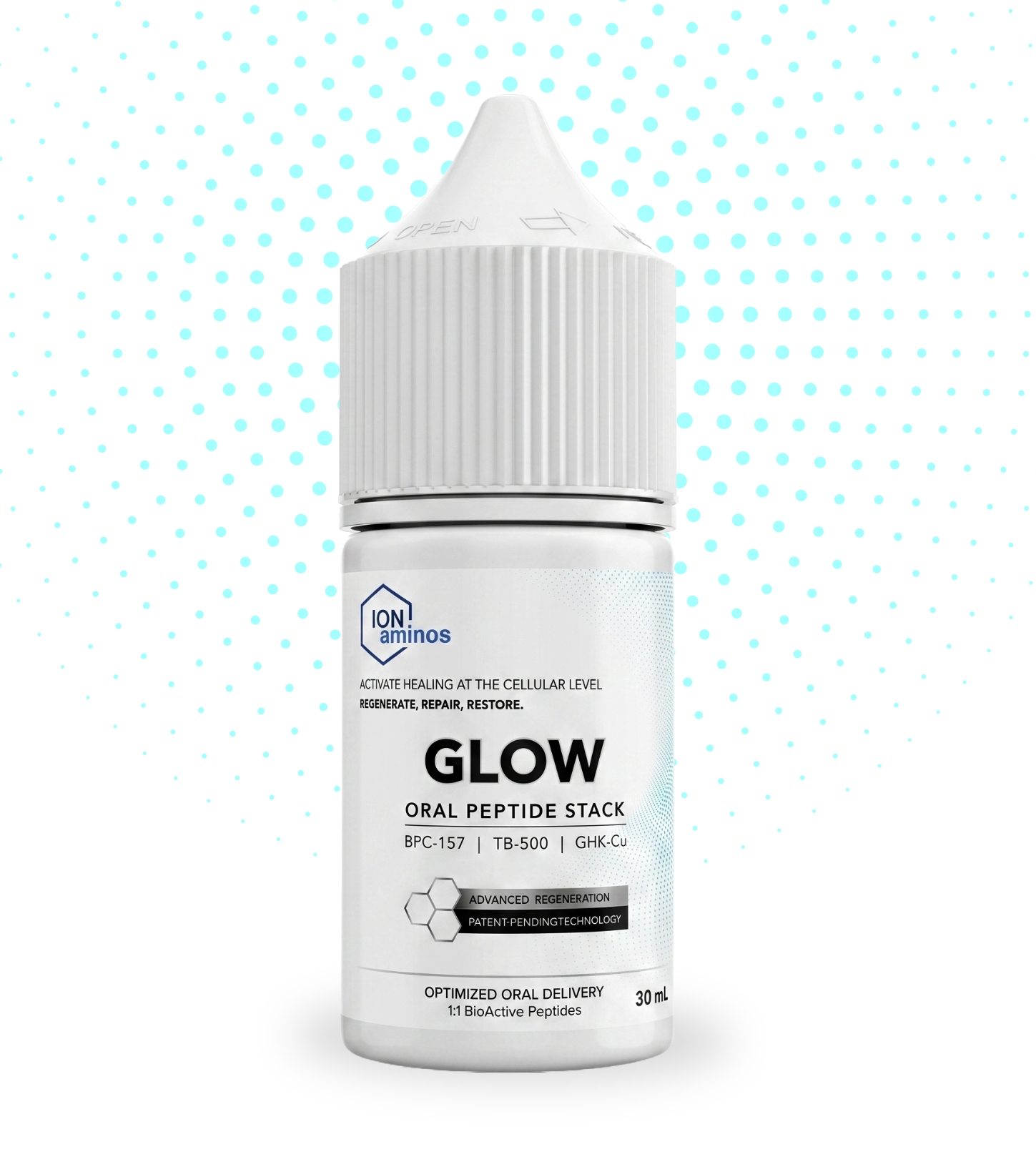
Methylene Blue 60ml

At-Home Blood Test
Research Supplies
Methylene Blue Bottles
A 60 mL 1% bottle holds about 600 mg (600,000 mcg) total. Counts below use the existing 5–20 mg/day (5,000–20,000 mcg/day) example and exclude losses or storage limits.
| Use length | Planning note |
|---|---|
30 days 1 bottle | 30 days use 150–600 mg (150,000–600,000 mcg) at 5–20 mg/day (5,000–20,000 mcg/day). |
60 days 1-2 bottles | 60 days use 300–1,200 mg (300,000–1,200,000 mcg) at 5–20 mg/day (5,000–20,000 mcg/day). |
90 days 1–3 bottles | 90 days use 450–1,800 mg (450,000–1,800,000 mcg) at 5–20 mg/day (5,000–20,000 mcg/day). |
Measuring
For accuracy beyond drop-counting.
| Use length | Planning note |
|---|---|
Any length 1 oral syringe | Reusable; rinse between uses. |
Bottle math is approximate and depends on the exact concentration and amount used. Confirm the product label before ordering. This is not a dosing recommendation.
Companion Supplies & Routine Support
Methylene Blue Dosage Chart
This Methylene Blue dosage chart summarizes the oral supplement, cognitive-study, and hospital IV dose contexts shown in the dosing section above.
 UNIVERSITY OF PEPTIDE · RESEARCH REFERENCE
Methylene Blue Dosage Chart
Methylene Blue dosage chart summarizing oral supplement, cognitive-study, and hospital IV dose contexts.
Methylene Blue Drop-to-Milligram Math
Methylene blue does not need reconstitution — it is sold as a finished liquid. The real math problem is converting drops into milligrams, and that depends entirely on the solution's concentration. Get the concentration wrong and you can be off by 2x or more.
What the percentage means
Concentration is listed as a percentage or as mg per mL. A 1% solution is the same as 10 mg/mL (10,000 mcg/mL). A 0.5% solution is 5 mg/mL (5,000 mcg/mL). A 2% solution is 20 mg/mL (20,000 mcg/mL). A standard dropper makes roughly 20 drops per mL, so each drop is about 1/20th of the per-mL amount.
Approximate milligrams per drop by concentration
| Solution | mg per mL | Approx. mg per drop | Drops for ~10 mg (10,000 mcg) |
|---|---|---|---|
| 0.5% | 5 mg/mL (5,000 mcg/mL) | ~0.25 mg (250 mcg) | ~40 drops |
| 1% | 10 mg/mL (10,000 mcg/mL) | ~0.5 mg (500 mcg) | ~20 drops |
| 2% | 20 mg/mL (20,000 mcg/mL) | ~1 mg (1,000 mcg) | ~10 drops |
Drop size varies by dropper. For larger amounts, a graduated oral syringe is more accurate than counting drops. This table is math context, not a dosing recommendation.
Read the concentration
Find the percentage or mg/mL on the label. If neither is listed, do not guess — contact the maker or choose a clearly labeled product.
Convert to mg per drop
Divide the mg/mL by about 20. A 1% (10 mg/mL (10,000 mcg/mL)) solution is about 0.5 mg (500 mcg) per drop.
Switch to a syringe for larger amounts
Counting 40 drops is error-prone. A graduated oral syringe measures the liquid more reliably.
Dilute in water or juice
Methylene blue is intensely staining and bitter. Most users add the dose to a glass of water or juice.
Calculator tip
For custom concentration and volume math, the University of Peptide calculator can convert mg, mL, and concentration so you are not relying on drop-counting alone.
How Methylene Blue Works
Methylene blue's main trick is that it moves electrons around easily. In plain terms, it can pick up and drop off electrons inside cells, which lets it step into chemical reactions that depend on that hand-off.
In the approved use, this is why it reverses methemoglobinemia. It helps convert iron in hemoglobin from a broken form (Fe3+) back to the working form (Fe2+) so blood can carry oxygen again.
In the brain-energy theory, low doses are described as a mitochondrial electron carrier. The technical version: it can shuttle electrons in the mitochondrial electron transport chain and boost cytochrome c oxidase activity, which is tied to how cells make energy (ATP). This effect is dose-dependent and reverses at high doses.
Separately, methylene blue is a potent monoamine oxidase inhibitor (MAOI), especially of MAO-A. That is the property behind both some of its studied mood effects and its most dangerous interaction — serotonin syndrome.
Redox / electron shuttle
Cycles between oxidized and reduced forms; restores hemoglobin function.
Mitochondrial support (low dose)
Increases cytochrome c oxidase activity in preclinical models.
MAO inhibition
Potent MAO-A inhibitor — the source of the serotonin-syndrome risk.
Main limitation
Most mechanism-to-benefit links are preclinical or based on small human studies.
Who Methylene Blue Is For and Who Should Avoid It
This is the most important section on the page. Methylene blue has two hard contraindications and several caution groups that turn a low-risk supplement into a dangerous one.
- Anyone taking serotonergic medication. SSRIs, SNRIs, MAOIs, tricyclic antidepressants, and some others can combine with methylene blue's MAOI activity to cause serotonin syndrome, which can be fatal. The FDA notes most reported cases involved these drugs.
- Anyone with G6PD deficiency. Methylene blue is contraindicated here. It needs G6PD to work and can trigger paradoxical methemoglobinemia and hemolysis (red blood cell destruction). About 2% of the US population has G6PD deficiency, often undiagnosed.
- Pregnancy. Methylene blue may cause fetal harm; injection during pregnancy has been linked to neonatal intestinal atresia and fetal death. It is generally avoided.
- Breastfeeding. It is not known whether it passes into breast milk; caution is advised.
- Severe kidney impairment. The label advises caution because of slower clearance.
- People on multiple medications. It can inhibit certain liver enzymes (CYP450), raising levels of drugs like warfarin and others.
The antidepressant rule
For non-emergency systemic use, the FDA recommends stopping most serotonergic drugs for at least two weeks beforehand. Do not stop any prescribed medication on your own — this requires a clinician.
Methylene Blue Side Effects & Safety
Even used alone, methylene blue has predictable effects. The most universal one is harmless but dramatic: it temporarily turns urine, and sometimes the tongue and stool, blue-green.
Common, usually mild
- Blue-green urine, tongue, or stool (expected, harmless).
- Nausea, stomach upset, or diarrhea, especially at higher amounts.
- Headache, dizziness.
- Mild stimulation or trouble sleeping if taken late in the day.
Serious
- Serotonin syndrome when combined with serotonergic drugs — agitation, tremor, fever, confusion, rapid heart rate. A medical emergency.
- Paradoxical methemoglobinemia at high doses (above about 7 mg/kg (7,000 mcg/kg)), because methylene blue itself becomes an oxidant.
- Hemolysis / hemolytic anemia, especially in G6PD deficiency or with long-term high dosing.
- Phototoxicity — increased light sensitivity; the label advises protection from strong light.
Quality-control risk
Non-pharmaceutical methylene blue (industrial or aquarium dye) can contain heavy metals and other contaminants. A 2022 quality analysis found some consumer products were contaminated or misbranded. Use only USP / pharmaceutical-grade, third-party-tested product.
Methylene Blue Timeline & What to Monitor
For the approved IV use, methylene blue acts fast — methemoglobin levels and oxygenation often improve within an hour. For oral supplement use, reported subjective effects (energy, focus) are usually described within 30-60 minutes, though this is anecdotal.
Methylene blue has a fairly long half-life and is cleared over roughly a day or more, mostly in urine (which is why urine stays blue for a while). Exact clearance varies by dose, route, and the person.
Reasonable things a clinician might monitor with repeated or higher-dose use include hemoglobin (for hemolysis), oxygen saturation readings (pulse oximeters can read falsely with the dye present), and any signs of serotonin syndrome. Long-term daily-use safety data in healthy people is limited.
Pulse oximeter note
Methylene blue can interfere with pulse-oximeter readings, sometimes showing a falsely low oxygen number. Clinicians account for this; it is worth knowing if you wear a monitor.
Methylene Blue Clinical Evidence Context
The evidence splits cleanly into one strong, narrow approved use and a wider set of promising-but-preliminary uses. Keeping those separate is the honest way to read methylene blue.
Approved use (strong)
Acquired methemoglobinemia: decades of clinical use; FDA-approved as ProvayBlue (2016) and a separate Nexus Pharmaceutical injection approved in 2025.
Cognitive effects (small human trials)
A 2017 Radiology fMRI trial (Rodriguez et al., N=26) found a single low oral dose increased brain activity in attention and memory tasks. A connectivity fMRI study (N=28, 280 mg (28,000, 280,000 mcg)) showed altered functional connectivity. Telch et al. 2017 (N=42, 260 mg (42,000, 260,000 mcg)) studied fear-extinction memory in phobic adults.
Mood / psychiatry (preliminary)
Small studies have explored low-dose methylene blue in mood disorders, tied to its MAOI activity. Evidence is early and not a basis for self-treatment.
Antimicrobial / antiviral (preclinical)
Lab studies report activity against some pathogens and, in vitro, against SARS-CoV-2. It is not approved or proven for these uses in people.
Cancer and Alzheimer's (preclinical / unproven)
Frequently claimed online. Human evidence is absent or inconclusive; these are not supported uses. No published trial shows methylene blue treats cancer in people.
I read the Rodriguez 2017 Radiology paper directly to confirm it tested a single low oral dose in healthy adults rather than a daily regimen, which is a distinction many supplement pages blur.
The honest summary: strong for one rare blood emergency, genuinely interesting but small for cognition, and mostly preclinical for the headline 'longevity' and 'anti-cancer' claims.
Methylene Blue Storage & Handling
Methylene blue liquid is generally stored at room temperature, away from direct light, with the cap closed. It is a finished solution, so there is no powder to refrigerate or reconstitute.
Storage at a glance
Typical storage
Methylene blue oral solution
Room temp, 59-86F (15-30C)
Light
Methylene blue oral solution
Keep away from direct light
Appearance
Methylene blue oral solution
Deep blue liquid; should stay clear, not cloudy
Handling
Methylene blue oral solution
Stains skin, fabric, and surfaces permanently
| Methylene blue oral solution | |
|---|---|
| Typical storage | Room temp, 59-86F (15-30C) |
| Light | Keep away from direct light |
| Appearance | Deep blue liquid; should stay clear, not cloudy |
| Handling | Stains skin, fabric, and surfaces permanently |
Follow the specific product label, which overrides general guidance.
Staining
Methylene blue stains almost everything it touches. Work over a surface you can wipe, and expect blue urine — it is harmless and temporary.
Methylene Blue Mistakes & Troubleshooting
- Counted drops without checking concentration. The #1 error. A 2% solution is double a 1% solution per drop. Always convert using the label.
- Used aquarium or industrial dye. These are not for human use and can carry contaminants. Only USP / pharmaceutical-grade.
- Took it with an antidepressant. Serious serotonin-syndrome risk. This needs a clinician and usually a washout period.
- Stomach upset. Often from too much at once or taking it undiluted; users dilute it well in water or juice and take it with food.
- Alarmed by blue urine. Expected and harmless.
- Took it late in the day. Can be mildly stimulating and disrupt sleep.
- Skin or counter stains. Methylene blue stains are stubborn; some surfaces respond to a dilute hypochlorite (bleach) solution.
Methylene Blue Regulatory Status
As of June 2026, the regulatory picture has two clearly separate halves, and most online confusion comes from blending them.
- FDA-approved drug: Methylene blue injection is FDA-approved for acquired methemoglobinemia. ProvayBlue received approval in 2016, and a Nexus Pharmaceutical methylene blue injection was approved in 2025. This is a prescription, clinician-administered use.
- Not approved as a supplement: The oral 'nootropic' and longevity products sold online are not FDA-approved and are not evaluated for those uses. Their claims are not vetted by the FDA.
- Off-label clinical uses: Doctors sometimes use it off-label (for example, vasoplegic shock or ifosfamide-induced encephalopathy). Off-label use is legal under the practice of medicine but is not an FDA endorsement.
- Compounding: Some pharmacies compound methylene blue formulations on prescription, which is a separate pathway from over-the-counter supplements.
Interest spiked in early 2025 after a widely shared video of Robert F. Kennedy Jr. adding a blue liquid to water, plus podcast coverage. Popularity is not the same as approval — the regulatory status above did not change because of the trend.
Methylene Blue vs Methyl Blue vs Grades of Methylene Blue
Two comparisons cause the most confusion: methylene blue versus 'methyl blue,' and the different purity grades of methylene blue itself.
Common methylene blue mix-ups
| Term | What it is | Human use? |
|---|---|---|
| Methylene blue (USP) | Pharmaceutical-grade methylthioninium chloride | Yes — the only grade for people |
| Methyl blue | A different dye (aniline blue family), not the same compound | No |
| Industrial-grade methylene blue | Lower-purity dye for labs/manufacturing | No — contaminant risk |
| Aquarium methylene blue | Treats fish; not made to human-purity standards | No |
Names look alike but the compounds and purity differ. Only USP / pharmaceutical-grade is intended for human use.
Within human-grade product, the practical differences are concentration (0.5%, 1%, 2%), whether it is third-party tested, and the format (drops, troches, or sprays). Grade and testing matter more than brand.
FAQ
Q1: What is methylene blue?
Methylene blue (methylthioninium chloride) is a synthetic blue dye that is also a medicine. It was first made in 1876 as a textile dye and later became a drug. Today it is FDA-approved by IV for a blood disorder called methemoglobinemia and is separately sold as an unregulated oral supplement for other uses.
Q2: What does methylene blue do?
Its core action is moving electrons around inside cells. In the approved use, that restores hemoglobin so blood can carry oxygen. In low-dose research, it is described as a mitochondrial electron carrier tied to cellular energy. It is also a potent MAO inhibitor, which is the source of its serious antidepressant interaction.
Q3: Is methylene blue safe?
Under medical supervision at approved doses it has a long track record. As an unsupervised supplement it carries real risks: serotonin syndrome if combined with antidepressants, hemolysis in people with G6PD deficiency, and contaminants in non-pharmaceutical grades. It is not considered safe in pregnancy. This page is not medical advice.
Q4: How many drops of methylene blue should I take per day?
There is no standardized supplement dose, and the drop count is meaningless without the concentration. A 1% solution is about 0.5 mg (500 mcg) per drop, a 2% solution about 1 mg (1,000 mcg) per drop. Community oral use often falls around 5-20 mg (5,000-20,000 mcg) per day, but that is not a clinical standard. This is research context, not a dosing recommendation — talk to a clinician.
Q5: How do you take methylene blue orally?
It is sold as a ready-to-use liquid, so there is no mixing. People typically add the measured amount to water or juice because it is bitter and staining, and take it earlier in the day since it can be mildly stimulating. For accuracy beyond a few drops, a 1 mL oral syringe is more reliable than counting drops.
Q6: Who should not take methylene blue?
Anyone taking serotonergic drugs (SSRIs, SNRIs, MAOIs, tricyclics) because of serotonin-syndrome risk, anyone with G6PD deficiency because of hemolysis risk, and people who are pregnant or breastfeeding. People with severe kidney impairment or on multiple medications should also avoid it without medical guidance.
Q7: What should you not take with methylene blue?
Most importantly, antidepressants and other serotonergic medications, which can trigger serotonin syndrome. It can also raise levels of some drugs processed by the liver, such as warfarin. For non-emergency use, the FDA suggests stopping most serotonergic drugs for at least two weeks first — but only a clinician should manage that.
Q8: Can you take methylene blue every day?
Long-term daily-use safety data in healthy people is limited. The published cognitive studies used single doses, not daily regimens, and high or prolonged dosing raises the risk of hemolysis and methemoglobinemia. Daily use should involve a clinician, especially given the MAOI interactions.
Q9: Why does methylene blue turn urine blue?
Methylene blue is a strong dye, and the body clears much of it through the kidneys, which tints urine blue or blue-green. This is harmless and temporary. It can also stain the tongue and stool. The color is expected, not a side effect to worry about.
Q10: Does methylene blue treat cancer or Alzheimer's?
No. These are common online claims, but the evidence is preclinical or inconclusive, not approved. Some lab and animal work is interesting, but no human trial supports using methylene blue to treat cancer or Alzheimer's. Treat these as research areas, not proven uses.
Q11: What grade of methylene blue is safe to buy?
Only pharmaceutical-grade (USP) methylene blue is intended for human use. Industrial-grade and aquarium methylene blue are not made to human-purity standards and can contain heavy metals. Look for USP grade plus third-party testing for purity and heavy metals, and a clearly listed concentration.
Q12: Is methylene blue FDA-approved?
Yes, but only as an injectable prescription drug for acquired methemoglobinemia (ProvayBlue, approved 2016, plus a Nexus Pharmaceutical injection approved in 2025). The oral supplements sold for energy, focus, or longevity are not FDA-approved and are not evaluated for those uses.
Q13: Is this page medical advice?
No. This is an educational research reference. Methylene blue is a potent MAOI with serious interactions and contraindications, so any real-world use should be discussed with a qualified clinician.
Sources & Research
- U.S. Food and Drug Administration PROVAYBLUE (methylene blue) injection — Highlights of Prescribing Information. FDA / accessdata.fda.gov (2016)
- Pharmacy Times FDA Approves Methylene Blue Injection for Acquired Methemoglobinemia (Nexus Pharmaceutical). Pharmacy Times (2026)
- Rodriguez P, Zhou W, Barrett DW, et al. Multimodal Randomized Functional MR Imaging of the Effects of Methylene Blue in the Human Brain. Radiology (2017)
- Talley Watts L, et al. Methylene blue modulates functional connectivity in the human brain (280 mg, ~4 mg/kg). Brain Imaging and Behavior / PMC (2016)
- Telch MJ, Bruchey AK, Rosenfield D, et al. Post-Session Administration of USP Methylene Blue Facilitates Retention of Pathological Fear Extinction and Contextual Memory in Phobic Adults. Journal of Psychiatric Research / PMC (2017)
- Drugs.com Methylene Blue Monograph for Professionals — interactions, G6PD contraindication, pregnancy warnings. Drugs.com (2026)
- Drugs.com Methylene Blue Dosage Guide — clinical dosing and oral dilution note. Drugs.com (2025)
- Anesthesia Patient Safety Foundation (Pedavally S, Fugate JE, Rabinstein AA). Methylene Blue and the Risk of Serotonin Toxicity. APSF Newsletter (2025)
- DailyMed / NLM Methylene Blue injection label — G6PD contraindication, paradoxical methemoglobinemia, fetal harm. DailyMed (U.S. National Library of Medicine) (2024)
- Medscape (Hunter Handsfield et al.) Methemoglobinemia Treatment & Management — methylene blue is an oxidant >7 mg/kg; ~2% of US population is G6PD-deficient. Medscape / eMedicine (2025)
- Tucker D, Lu Y, Zhang Q, et al. From Mitochondrial Function to Neuroprotection — review of methylene blue's hormetic dose-response. Molecular Neurobiology / PMC (2018)
- PubChem Methylene Blue | C16H18ClN3S | CID 6099 — compound identity and properties. PubChem (NIH/NLM) (2026)
- Harvard Health Publishing What to know about methylene blue — the only FDA-approved use is methemoglobinemia. Harvard Health (2025)
Related Dosing Protocols
Educational use only
This guide is an educational research reference, not medical advice or a treatment plan. Methylene blue is a potent MAO inhibitor with serious drug interactions and contraindications; discuss any use with a qualified clinician.
Calculate concentration and dose math
Use the calculator to convert mg, mL, and solution concentration so you are not relying on drop-counting alone.
Reconstitution calculator
Enter your own values. This tool calculates quantities, not a recommended dose.
Check the concentration
Changing the unit keeps the entered mass equivalent. 1 milligram (mg) = 1,000 micrograms (mcg). This tool does not choose a target amount.
Biological IU (optional, product-specific)
Only enter a potency explicitly stated as IU per mg on the exact product label or reference. Do not enter the 100 from a U-100 syringe. No factor is assumed for any peptide.
Your result will appear here
Enter the mass, final solution volume and target mass, or load a fictional example.
Assumes accurate masses, final solution volume and even distribution. Blend arithmetic does not establish whether substances can be mixed. Read the formulas and assumptions.
Study findings, reported examples and supplier statements have different levels of evidence. Follow the citations and check the formulation, population and date before interpreting a number.
Editorial standards and corrections